
Michael Mauboussin Master Class — Moats, Skill, Luck, Decision Making and a Whole Lot More
Books Mentioned
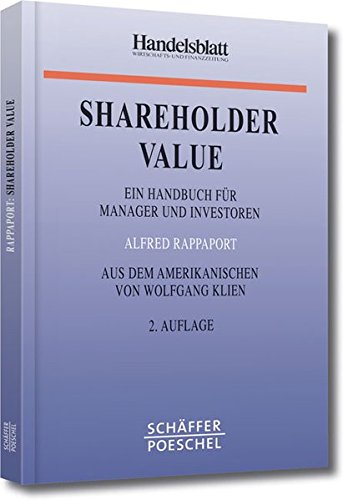
“The speaker mentions reading Al Rappaport's book 'Creating Shareholder Value' shortly after it came out in 1986, which had a significant impact on their professional development.”

“The speaker discusses the book 'Expectations Investing', co-authored with Al Rappaport, which was published in 2001 and focuses on how stock prices reflect expectations about future financial performance.”

“The speaker mentions reading Competitive Strategy by Michael Porter, noting that it makes sense but is difficult to read.”
“The speaker recommends a book by Joan McGretta called Understanding Michael Porter, which explains the ideas of Michael Porter more clearly than he does.”
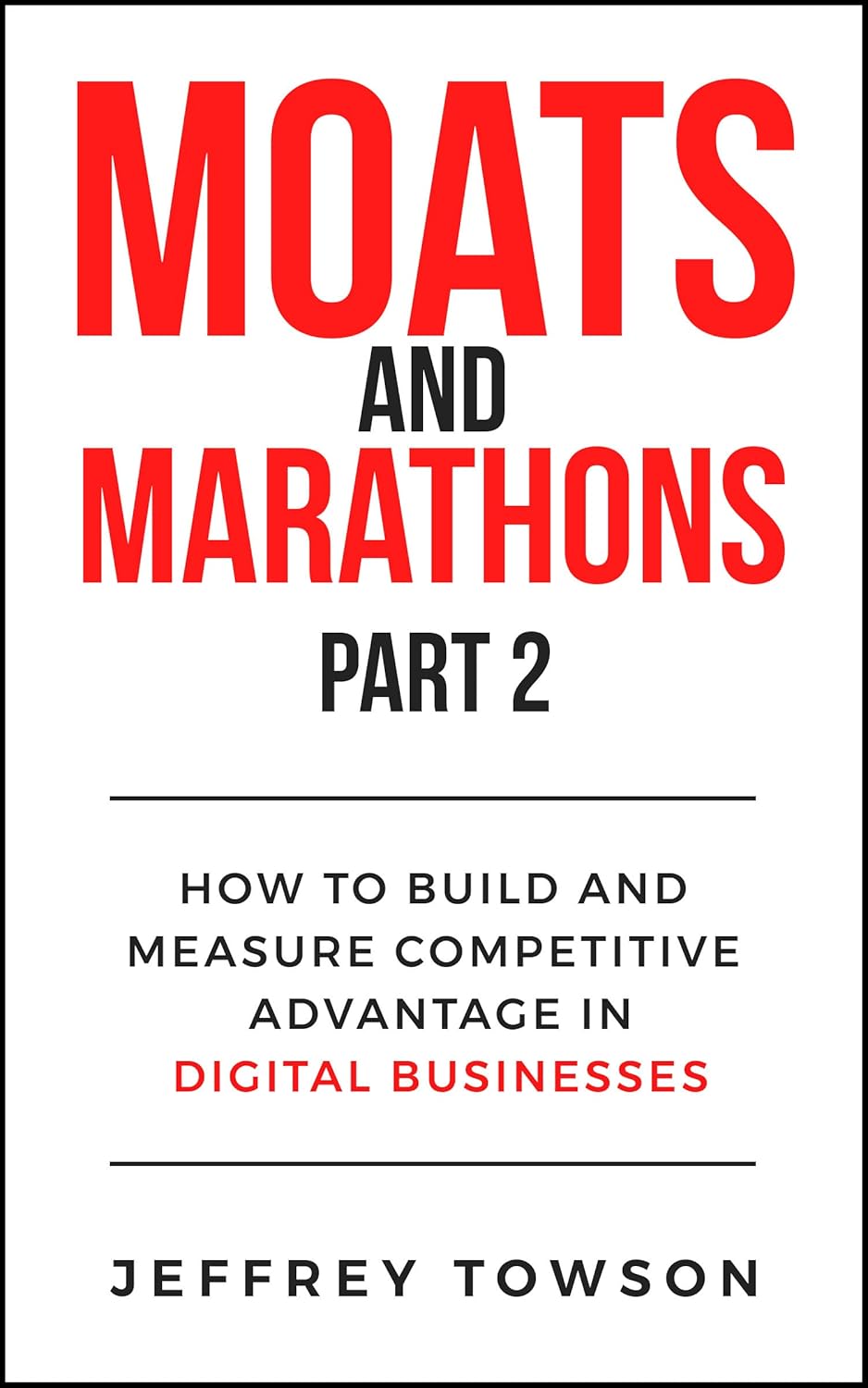
“The speaker discusses their experience with the book Measuring the Moat, highlighting its importance in their early stage investing process.”
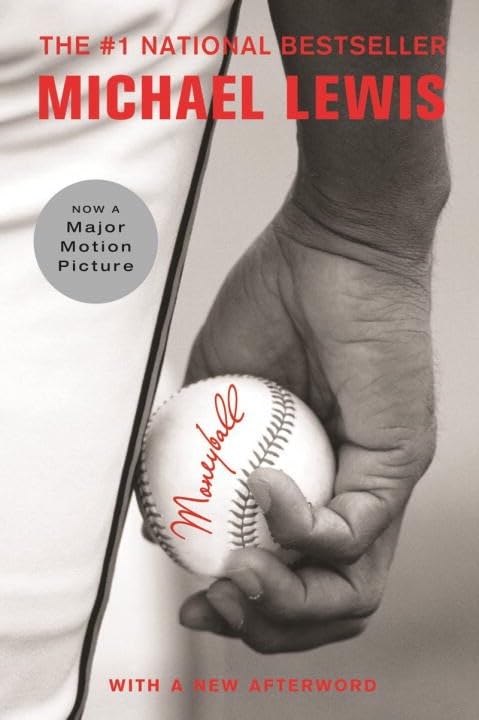
“But then I read Moneyball and I was like, this is awesome. This is like so interesting. Right. And I think I was the first person on Wall Street to write about Moneyball.”

“I wrote a book called Think Twice in 2009. Think Twice is about decision making. It's really an homage to Kahneman, actually, to like the kinds of stuff that Ben just read about.”

“I also read Fool by Randomness by Taleb, obviously, in 2001, as many people did. And obviously, the basic point hits you in the head like a two by four that there's more randomness in the world than you anticipate.”
“I got this idea from Stephen J. Gould in his book called full house from the mid 1990s. The paradox of guilt says, activities were both skill and luck contribute to outcomes, which is most stuff as skill increases, luck becomes more important.”

“The discussion references Stephen Jay Gould's book where he talks about extraordinary streaks being a combination of skill and luck.”
“There are a bunch of books about DiMaggio's streak mentioned in the context of discussing his extraordinary skill and luck.”