Skip to content
Back to The Rest Is History
The Rest Is History artwork
The Rest Is HistoryFeb 8, 2021

21. The History of the Future

Summary, books mentioned, transcript quotes, and timestamps for 21. The History of the Future on The Rest Is History.

Notable books mentioned: Memoirs of the 20th Century by Samuel Madden, The Third World War by General Sir John Hackett, Neuromancer by William Gibson, The Road by Cormac McCarthy

Shop This Episode

Buy the books listeners heard in this conversation.

Memoirs of the 20th Century cover
Mentioned at 9:15
Memoirs of the 20th Century
Samuel Madden

The host mentions 'Memoirs of the 20th Century' to highlight how Samuel Madden's predictions about the future were misguided, particularly regardin…

The Third World War cover
Mentioned at 12:12
The Third World War
General Sir John Hackett

The host mentions 'The Third World War' to illustrate the historical context of how future conflicts were perceived during the mid-20th century. Th…

Neuromancer cover
Mentioned at 12:33
Neuromancer
William Gibson

The host mentions 'Neuromancer' in the context of discussing how literature reflects societal anxieties about the future. They highlight that conte…

Listen
The Rest Is History artwork
Episode audio
21. The History of the Future
The Rest Is History • Tap any mention timestamp to jump straight into playback.
Ready to play
0:00--:--
Episode summary, books & quotes

21. The History of the Future mentions Memoirs of the 20th Century by Samuel Madden, The Third World War by General Sir John Hackett, Neuromancer by William Gibson, and The Road by Cormac McCarthy with timestamps, quotes, and episode context.

Episode summary
What is history’s take on the future? Oracles, prophecies, apocalypse, scientific projection. Tom Holland and Dominic Sandbrook discuss them all.
Book mentions11
Media mentions0
Search intent answers

Quick FAQ

Direct answers for the summary, books, and takeaways queries sending search traffic to this episode.

What is 21. The History of the Future about?

Summary, books mentioned, transcript quotes, and timestamps for 21. The History of the Future on The Rest Is History.

What are the main takeaways from 21. The History of the Future?

These are the strongest takeaways surfaced by the transcript, summary copy, and linked mentions for 21. The History of the Future.

  • The conversation centers on visions of the future.
  • A second recurring theme is civilization decline theories.
  • Referenced books include Memoirs of the 20th Century by Samuel Madden and The Third World War by General Sir John Hackett.
  • The strongest audience signal points to Historians and readers interested in the intersection of technology and morality and Historians and readers interested in societal anxieties.

Which books are mentioned in 21. The History of the Future?

Memoirs of the 20th Century by Samuel Madden, The Third World War by General Sir John Hackett, and Neuromancer by William Gibson are the clearest linked books in this episode, each tied back to transcript timestamps and quote cards.

Why are listeners searching for 21. The History of the Future?

21. The History of the Future keeps attracting summary-style searches because this page combines episode context, transcript quotes, book references, and direct jump links back into the audio.

Topic and sentiment signals

Aggregated from transcript-derived mention metadata for better topical navigation and citation.

Mention sentiment
Deep Dive(4)Passing Reference(4)Critical Analysis(3)
Audience signals
Historians and readers interested in the intersection of technology and moralityHistorians and readers interested in societal anxietiesReaders interested in speculative fiction and societal reflectionsReaders interested in dystopian literature and societal critiqueslisteners interested in historical perspectives on societal fearsReaders interested in the intersection of technology and ethics

Books Mentioned

Memoirs of the 20th Century cover
Best for Historians and readers interested in the intersection of technology and moralityOften cited around technological impact on society

Samuel Madden, an Anglican clergyman, wrote a book called Memoirs of the 20th Century, which is described as pretty much unreadable now.

View mention details
Sentiment: Critical Analysis
For: Historians and readers interested in the intersection of technology and morality
Key quote: He saw it purely in terms that would appeal to you.
The host mentions 'Memoirs of the 20th Century' to highlight how Samuel Madden's predictions about the future were misguided, particularly regarding the ideological conflicts he anticipated. This serves as a critique of how historical perspectives on technology and morality shape our understanding of progress.
ASIN: B07H6FTYZN
Buy on Amazon
The Third World War cover
The Third World War
General Sir John Hackett
Best for Historians and readers interested in societal anxietiesOften cited around visions of the future

The mention of 'The Third World War' by General Sir John Hackett, which discusses a nuclear conflict.

View mention details
Sentiment: Passing Reference
For: Historians and readers interested in societal anxieties
Key quote: Remember that book? Um, we were talking about it before we started, uh, the third world war by general Sir John Hackett.
The host mentions 'The Third World War' to illustrate the historical context of how future conflicts were perceived during the mid-20th century. This reference serves to highlight the shift in societal anxieties from nuclear war to contemporary concerns about technology and environmental issues.
ASIN: B0FTZ4ZVFP
Buy on Amazon
Neuromancer cover
Neuromancer
William Gibson
Best for Readers interested in speculative fiction and societal reflectionsOften cited around future visions in literature

The mention of 'neuromancer' in the context of visions of the future involving computers and virtual worlds.

View mention details
Sentiment: Passing Reference
For: Readers interested in speculative fiction and societal reflections
Key quote: they're either about computers, um, and sort of virtual worlds. So the sort of neuromancer ish or blade runner, I suppose, which about robots or they're about, um, environmental catastrophe.
The host mentions 'Neuromancer' in the context of discussing how literature reflects societal anxieties about the future. They highlight that contemporary narratives often focus on computers and virtual worlds, as exemplified by this book.
ASIN: B0058R83CW
Buy on Amazon
The Road cover
The Road
Cormac McCarthy
Best for Readers interested in dystopian literature and societal critiquesOften cited around dystopian visions of the future

The mention of 'The Road' by Cormac McCarthy in relation to visions of the future and apocalyptic themes.

View mention details
Sentiment: Deep Dive
For: Readers interested in dystopian literature and societal critiques
Key quote: I think in a Cormac McCarthy's book in a previous podcast, you know, that's become that sort of vision has now become all enveloping.
The host discusses how Cormac McCarthy's 'The Road' exemplifies the prevailing pessimistic outlook on the future, contrasting it with past utopian expectations. This mention serves to highlight the shift in narrative from optimism to a focus on apocalyptic scenarios in literature and media.
ASIN: 0307387895
Buy on Amazon
1984 cover
1984
George Orwell
Best for listeners interested in historical perspectives on societal fearsOften cited around visions of the future

Orwell went slightly out of fashion at the end of the Cold War, but now he has come back again with all the double think kind of talk and the fascination with controlling language and thought crime.

View mention details
Sentiment: Passing Reference
For: listeners interested in historical perspectives on societal fears
Key quote: the visions that people had of the future in the sort of mid 20th century, the really sort of influential ones, like 1984, they're about totalitarianism and political ideology.
The host mentions '1984' in the context of discussing influential visions of the future, particularly those related to totalitarianism and political ideology. This reference serves to highlight how societal fears and expectations have evolved over time.
ASIN: 605746222X
Buy on Amazon
Brave New World cover
Brave New World
Aldous Huxley
Best for Readers interested in the intersection of technology and ethicsOften cited around dystopian visions of future

It's years since I read Brave New World. I don't really remember that much about it, but it's also about people kind of being blissed out.

View mention details
Sentiment: Deep Dive
For: Readers interested in the intersection of technology and ethics
Key quote: Often morality is a huge part of it. So morality is there in kind of brave new world.
The host discusses how technological advancements influence moral perspectives and societal expectations of the future. They reference 'Brave New World' to highlight the interplay between scientific progress and ethical considerations in shaping dystopian narratives.
ASIN: 0060850523
Buy on Amazon
Rubicon cover
Rubicon
Tom Holland
Best for Readers interested in Roman history and prophecyOften cited around Sibylline books discussion

The Sibylline books are what I begin Rubicon with, my book about the fall of the Roman Republic.

View mention details
Sentiment: Passing Reference
For: Readers interested in Roman history and prophecy
Key quote: the Sibylline books are what I begin Rubicon with, my book about the fall of the Roman Republic.
The host mentions 'Rubicon' while explaining the significance of the Sibylline books in Roman history. This reference serves to illustrate how ancient texts provided guidance during crises, similar to the themes explored in the book.
ASIN: B01K154JFU
Buy on Amazon
Sibylline books cover
Best for History enthusiasts and scholarsOften cited around Sibylline books explanation

The Sibylline books tell you what to do to appease the gods if something weird has happened, containing prophecies about the fate of the Roman people.

View mention details
Sentiment: Deep Dive
For: History enthusiasts and scholars
Key quote: The Sibylline books provided kind of divine guidance.
The host delves into the historical significance of the Sibylline books, explaining their origins and purpose in ancient Rome. This discussion highlights how these texts were used to guide the Romans during times of crisis and their perceived prophetic value.
ASIN: 8889526572
Buy on Amazon
Decline of the West cover
Decline of the West
Oswald Spengler
Best for Those interested in history and civilization studiesOften cited around civilizations and decline

Oswald Spengler's big idea is the decline of the West, dividing history into the rise and fall of different civilizations.

View mention details
Sentiment: Deep Dive
For: Those interested in history and civilization studies
Key quote: He thinks history is divided into the rise and fall of different civilizations.
The host discusses Oswald Spengler's ideas from 'Decline of the West,' particularly how he views history as a cycle of rise and fall of civilizations. This mention serves to highlight contemporary concerns about the future of Western civilization in light of historical patterns.
ASIN: 1912975602
Buy on Amazon
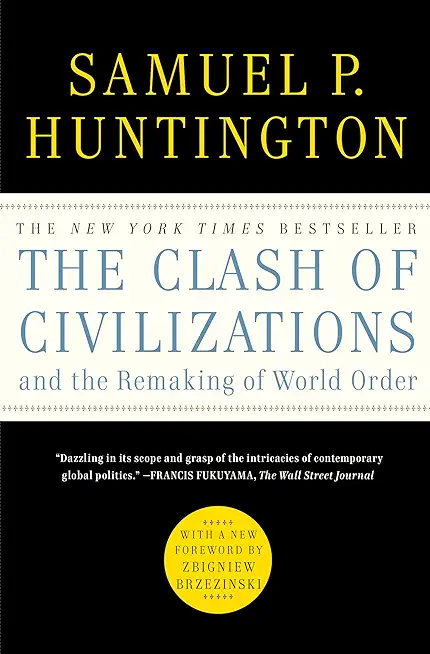
Clash of Civilizations cover
Clash of Civilizations
Samuel P. Huntington
Best for listeners interested in geopolitics and historical analysisOften cited around civilizations and geopolitics

Huntington's book discusses civilizations and was published in the nineties, alongside Fukuyama's End of History.

View mention details
Sentiment: Critical Analysis
For: listeners interested in geopolitics and historical analysis
Key quote: the idea of civilizations obviously is not going to go away.
The host discusses the relevance of Samuel P. Huntington's 'Clash of Civilizations' in the context of geopolitical conversations that have evolved since the 1990s. They highlight how the themes of civilizations and their conflicts remain pertinent, despite changes in the specific civilizations involved.
ASIN: 1451628978
Buy on Amazon
End of History cover
End of History
Francis Fukuyama
Best for listeners interested in geopolitical theoriesOften cited around civilization decline theories

Fukuyama's book came out at the same time as Huntington's Clash of Civilizations, representing post cold war prophecies of the future.

View mention details
Sentiment: Critical Analysis
For: listeners interested in geopolitical theories
Key quote: Well, my hot take on Fukuyama is that he didn't actually predict what people think he did, but because I haven't read it since the nineties, I couldn't possibly have read what that is, but I know what the hot take is.
The host discusses the relevance of Fukuyama's 'End of History' in the context of civilization decline theories, particularly in relation to Spengler's ideas. They suggest that Fukuyama's thesis has not aged well and is often misunderstood.
ASIN: 0743284550
Buy on Amazon

Movies & Documentaries Mentioned

No movie or documentary mentions yet

This episode does not have extracted media mentions yet.