Show 53 Blueprint For Armageddon Iv
Books Mentioned

“In his book, The Price of Glory, Alistairhorn takes a couple of different accounts and puts them together and quotes a few people who were there about what it was like simply trying to get to the front of the meat grinder at Verdun.”
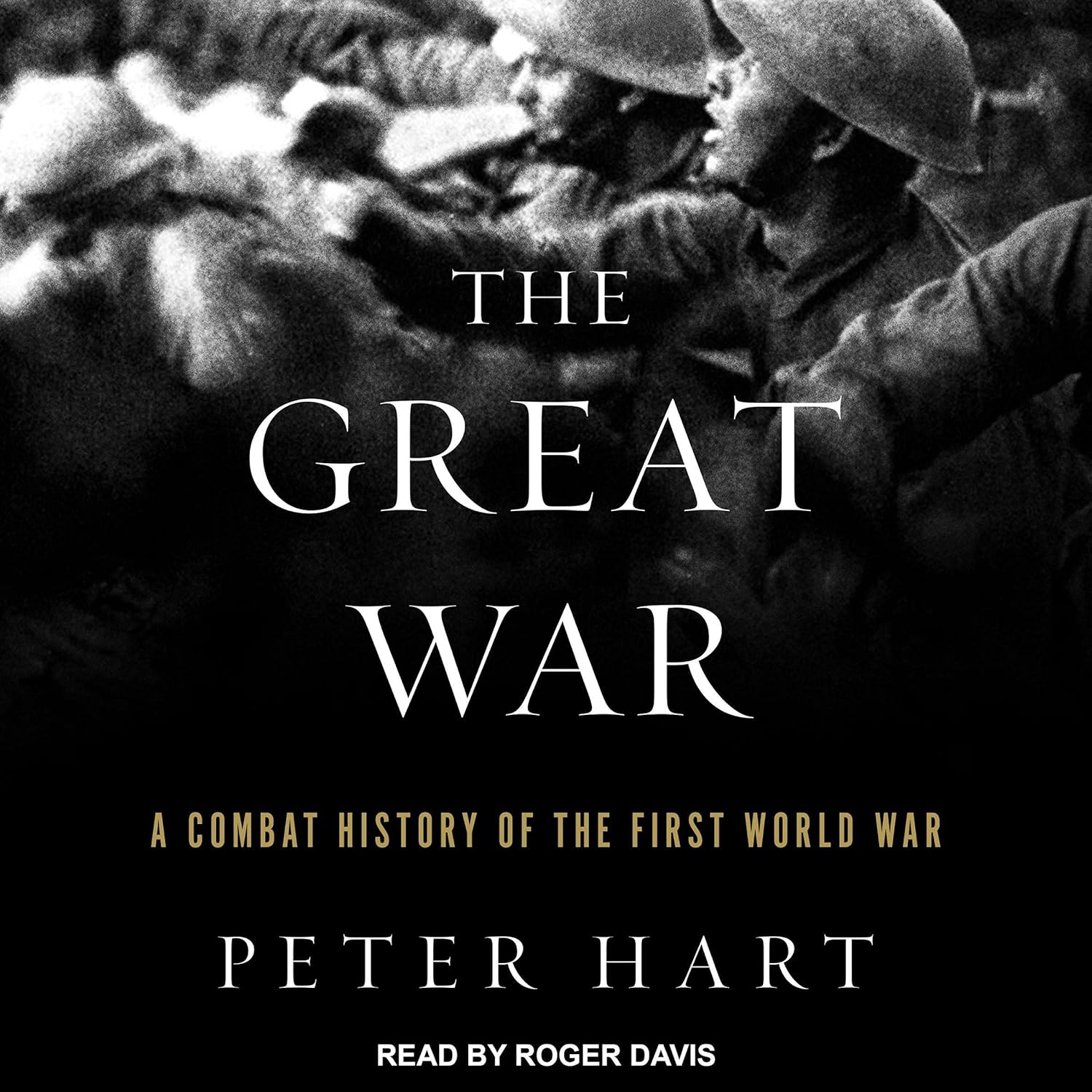
“I get this from Peter Hart's book The Great War, he said quote the entrance was a mere hole in the scarred battlefield and the silhouettes of cowering men constantly crawling in her out looked like huge ants in the dark.”

“Robert Massie in his book Dreadnought has a great line where he says in 1900 and that's a mere 14 years before the first world war breaks out every single british admiral commanding a british battleship had been trained when they came up in the navy in the age of sail.”
“The submarines for the people again hard for us to get all wild about them but to the people back then that is science fiction the very definition of the word right out of Jules Verne's 20,000 Leagues Under the Sea.”

“Churchill talks about the British Admiralty just being petrified that you would turn around one day and these great huge expensive ships that took forever to build and that you only had the limited number of were just disappearing in the blink of an eye.”
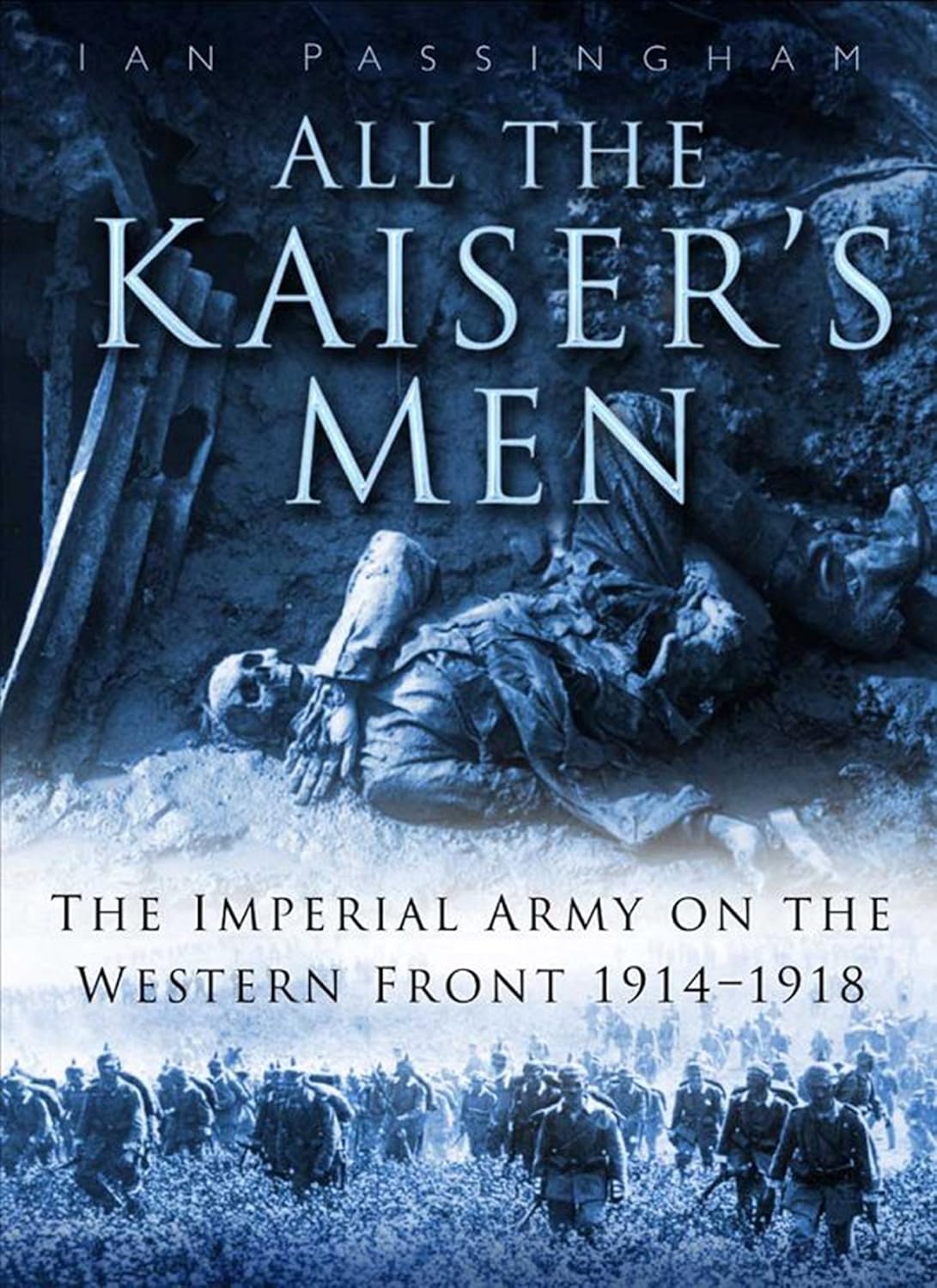
“One German on the other side of this human tragedy at the Battle of the Psalm on the first day is quoted in Ian Passingham's book All the Kaiser's Men.”
%22%2F%3E%0A%20%20%3Crect%20x%3D%2218%22%20y%3D%2218%22%20width%3D%22204%22%20height%3D%228%22%20rx%3D%224%22%20fill%3D%22%2394a3b8%22%20opacity%3D%220.9%22%2F%3E%0A%20%20%3Crect%20x%3D%2218%22%20y%3D%2240%22%20width%3D%22204%22%20height%3D%222%22%20rx%3D%221%22%20fill%3D%22%2394a3b8%22%20opacity%3D%220.55%22%2F%3E%0A%20%20%3Ctext%20x%3D%2222%22%20y%3D%22194%22%20font-size%3D%2284%22%20font-weight%3D%22700%22%20fill%3D%22%23f8fafc%22%20font-family%3D%22system-ui%2C%20-apple-system%2C%20Segoe%20UI%2C%20sans-serif%22%3ETT%3C%2Ftext%3E%0A%20%20%3Ctext%20x%3D%2222%22%20y%3D%22268%22%20font-size%3D%2218%22%20fill%3D%22%23f8fafc%22%20opacity%3D%220.95%22%20font-family%3D%22system-ui%2C%20-apple-system%2C%20Segoe%20UI%2C%20sans-serif%22%3EThe%20Two%20World%20Wars%3C%2Ftext%3E%0A%20%20%3Ctext%20x%3D%2222%22%20y%3D%22292%22%20font-size%3D%2213%22%20fill%3D%22%23f8fafc%22%20opacity%3D%220.82%22%20font-family%3D%22system-ui%2C%20-apple-system%2C%20Segoe%20UI%2C%20sans-serif%22%3EJohn%20Keegan%3C%2Ftext%3E%0A%3C%2Fsvg%3E)
“I mean, John Keegan, who I've said it's not my favorite, but the two world wars, I think, are his strong point.”

“David Frumkin in his book, A Peace to End All Peace, quotes Norman Stone about how large these battles were compared to what the people in Europe were used to.”

“The excerpt discusses a story that Robert Graves tells in 'Goodbye to All That' about a soldier named Samson who gets hit during an attack, highlighting the moral dilemmas faced in war.”
“The mention of the first Graves story refers to a narrative involving characters in a war setting, highlighting the dangers faced by soldiers.”
%22%2F%3E%0A%20%20%3Crect%20x%3D%2218%22%20y%3D%2218%22%20width%3D%22204%22%20height%3D%228%22%20rx%3D%224%22%20fill%3D%22%2360a5fa%22%20opacity%3D%220.9%22%2F%3E%0A%20%20%3Crect%20x%3D%2218%22%20y%3D%2240%22%20width%3D%22204%22%20height%3D%222%22%20rx%3D%221%22%20fill%3D%22%2360a5fa%22%20opacity%3D%220.55%22%2F%3E%0A%20%20%3Ctext%20x%3D%2222%22%20y%3D%22194%22%20font-size%3D%2284%22%20font-weight%3D%22700%22%20fill%3D%22%23eff6ff%22%20font-family%3D%22system-ui%2C%20-apple-system%2C%20Segoe%20UI%2C%20sans-serif%22%3EUF%3C%2Ftext%3E%0A%20%20%3Ctext%20x%3D%2222%22%20y%3D%22268%22%20font-size%3D%2218%22%20fill%3D%22%23eff6ff%22%20opacity%3D%220.95%22%20font-family%3D%22system-ui%2C%20-apple-system%2C%20Segoe%20UI%2C%20sans-serif%22%3EUnder%20Fire%3C%2Ftext%3E%0A%20%20%3Ctext%20x%3D%2222%22%20y%3D%22292%22%20font-size%3D%2213%22%20fill%3D%22%23eff6ff%22%20opacity%3D%220.82%22%20font-family%3D%22system-ui%2C%20-apple-system%2C%20Segoe%20UI%2C%20sans-serif%22%3EHenri%20Barbus%3C%2Ftext%3E%0A%3C%2Fsvg%3E)
“Henri Barbus wrote 'Under Fire' during the First World War, presenting an anti-war perspective and advocating for soldiers to refuse to fight.”

“The Christmas truce in 1914 is referenced as a significant event where soldiers from both sides fraternized, highlighting the humanity amidst war.”
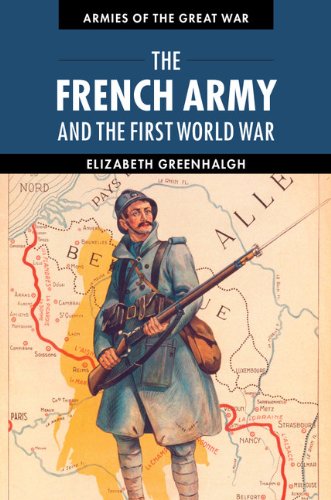
“Corporal Louis Bartas writes about his experiences in the French Army, reflecting on the shared struggles of soldiers in the trenches.”