Back to search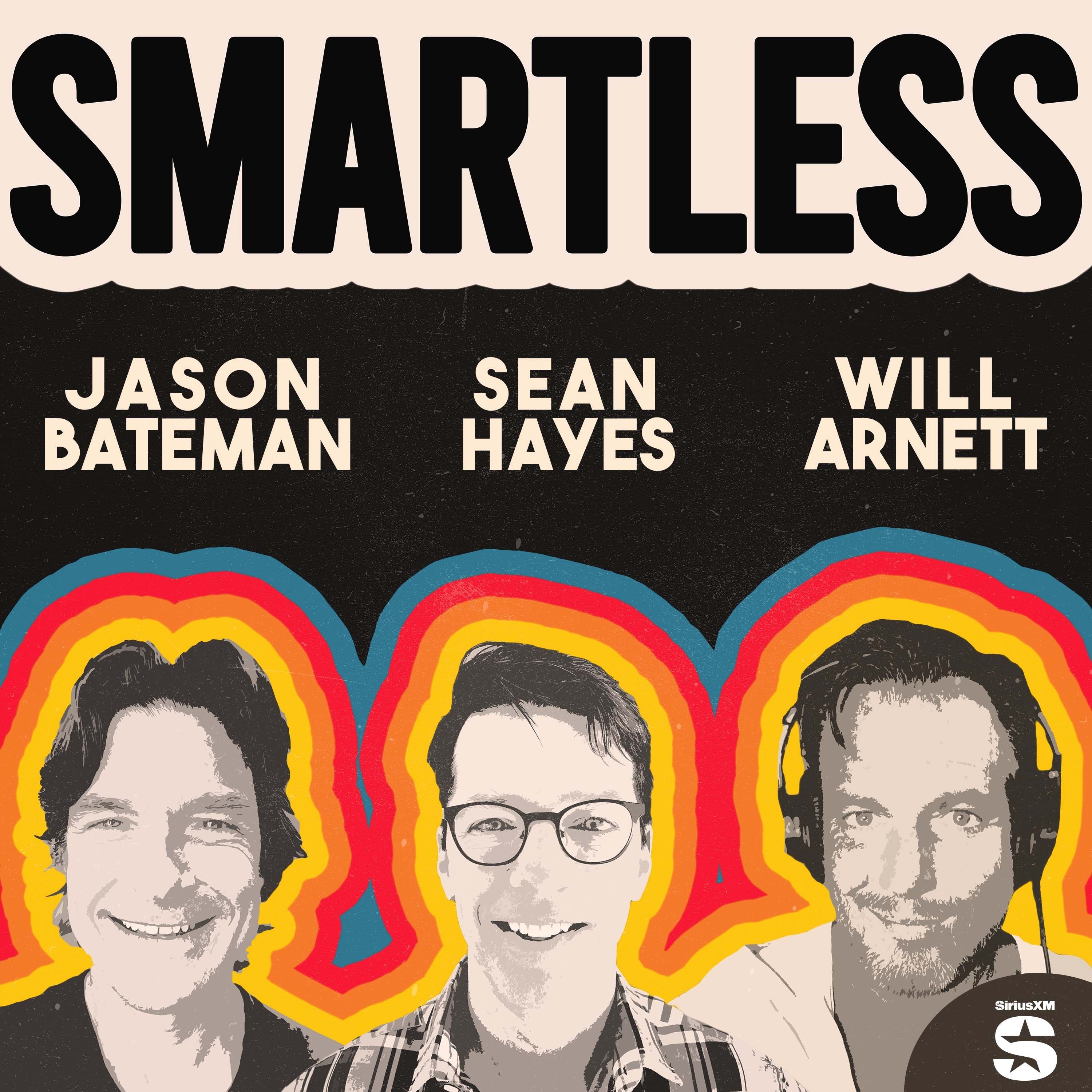


SmartLessJanuary 25, 2021
Sam Harris
Mentions
Guest: Sam Harris
The gang takes a journey through the mind of Sam Harris. Sam is a neuroscientist and philosopher who writes and lectures around the world. He is also a teacher of meditation through his app "Waking Up," as well as host of his podcast "Making Sense." Make sure to stretch your brain both before and after listening, and stay hydrated.
4 book mentions in this episode.
Click “Mentioned at …” to copy the timestamp.
Click any book cover image to open its affiliate link.
Amazon links are enriched from product metadata and include affiliate tracking.
Books Mentioned
The End of Faith
Sam Harris
“Before I wrote my first book, The End of Faith, which sort of inducted me into the crowd of atheists, I didn't think in terms of atheism versus religion.”
Sentiment: Highly Recommended
Trigger: religious philosophies and atheism
For: Individuals interested in philosophy, religion, and atheism.
Key quote: “I mean, The End of Faith. As you know, it was my immediate reaction to September 11th.”
The host mentioned 'The End of Faith' as a pivotal work that introduced them to atheism and sparked their questioning of religious beliefs. They express admiration for Sam Harris and highlight the book's significance in the context of post-9/11 discussions about faith and reason.
ASIN: B01FOD61MI
Buy on AmazonClick the book cover image to open the affiliate link.
“The speaker references 'Book of Mormon' in relation to the musical by the creators of South Park, discussing its connection to the actual history of Mormonism.”
Sentiment: Critical Analysis
Trigger: legitimacy of religions
For: Individuals interested in religious studies and cultural critiques.
Key quote: “the musical by those guys. Yeah. It's called Book of Mormon.”
The host discusses the evolution of religions over time, using Mormonism as a case study to illustrate how perceptions can change. They mention the 'Book of Mormon' in relation to the cultural portrayal of the religion and its founder, Joseph Smith.
ASIN: N/A
Search on AmazonClick the book cover image to open the affiliate link.
Religious
Bill Maher
“The speaker mentions seeing 'Religious' by Bill Maher, which they thought was a great documentary, in the context of discussing hypocrisy in Catholicism.”
Sentiment: Highly Recommended
Trigger: questioning religion
For: Individuals interested in atheism and religious philosophy.
Key quote: “the book I read that completely enlightened me was Letter to a Christian Nation.”
The host mentions the book 'Religious' by Bill Maher to highlight its impact on questioning religious beliefs. This book played a significant role in the host's journey towards atheism and critical thinking about faith.
ASIN: B0FD7M6P2Y
Buy on AmazonClick the book cover image to open the affiliate link.
“The speaker mentions the book 'Letter to a Christian Nation' as fascinating and something that can be read in a day.”
Sentiment: Highly Recommended
Trigger: questioning religious beliefs
For: Individuals exploring atheism or questioning their religious beliefs.
Key quote: “the book I read that completely enlightened me was Letter to a Christian Nation.”
The host mentions 'Letter to a Christian Nation' as a pivotal book that helped him question religious doctrines. He emphasizes its impact on his understanding of atheism and the importance of questioning accepted beliefs.
ASIN: B000LP5E7S
Buy on AmazonClick the book cover image to open the affiliate link.